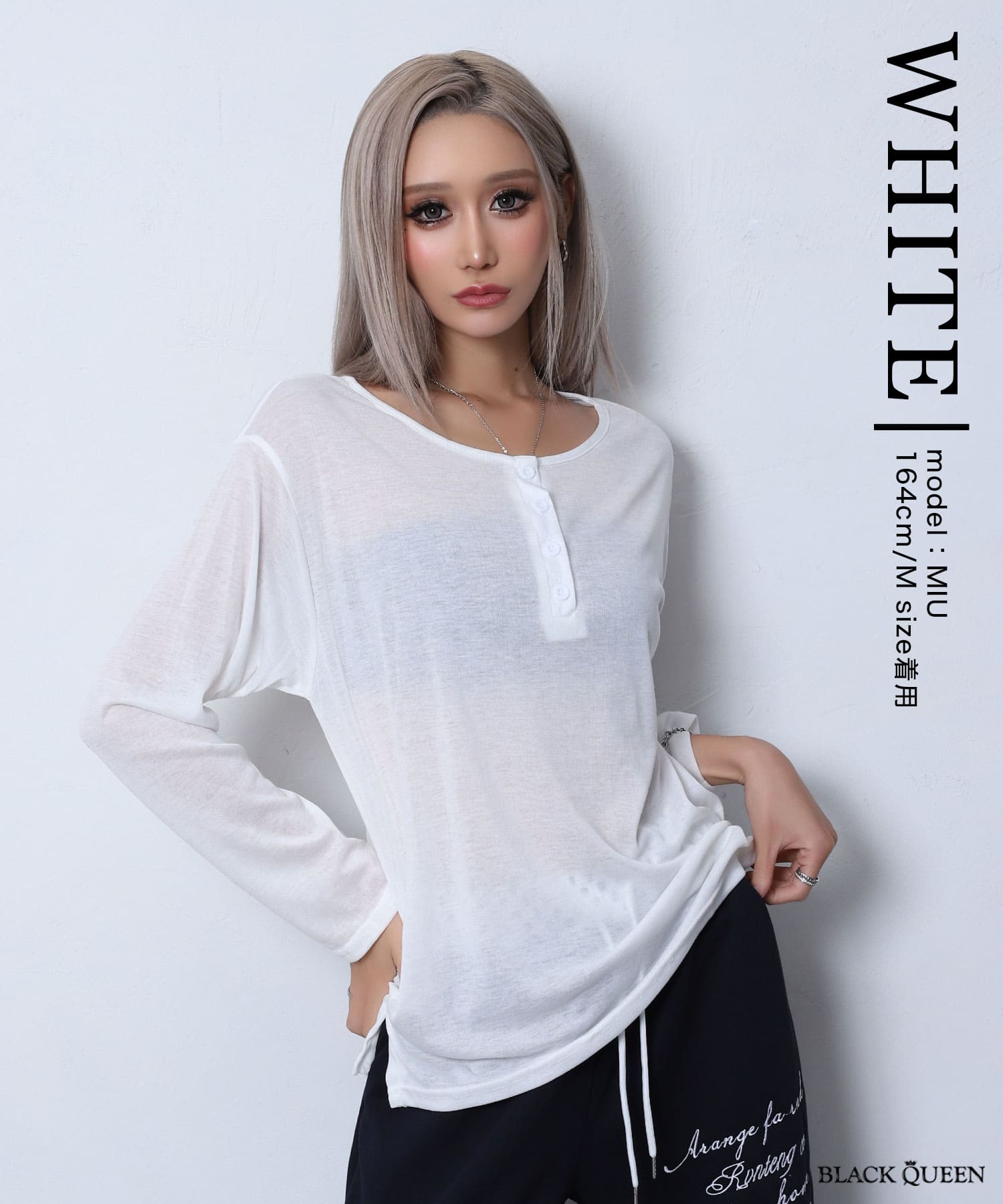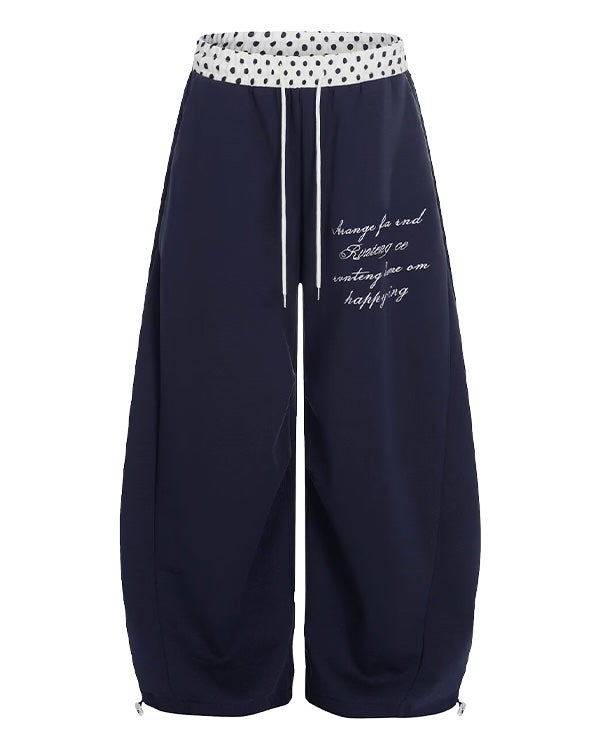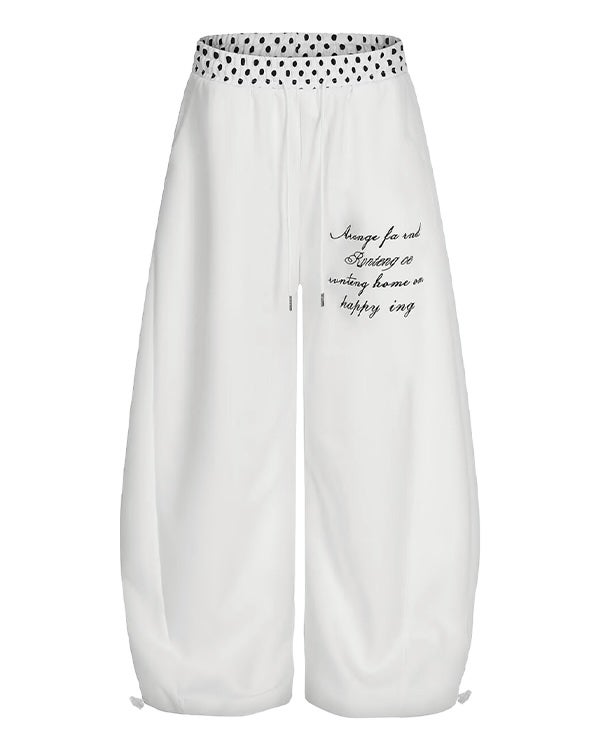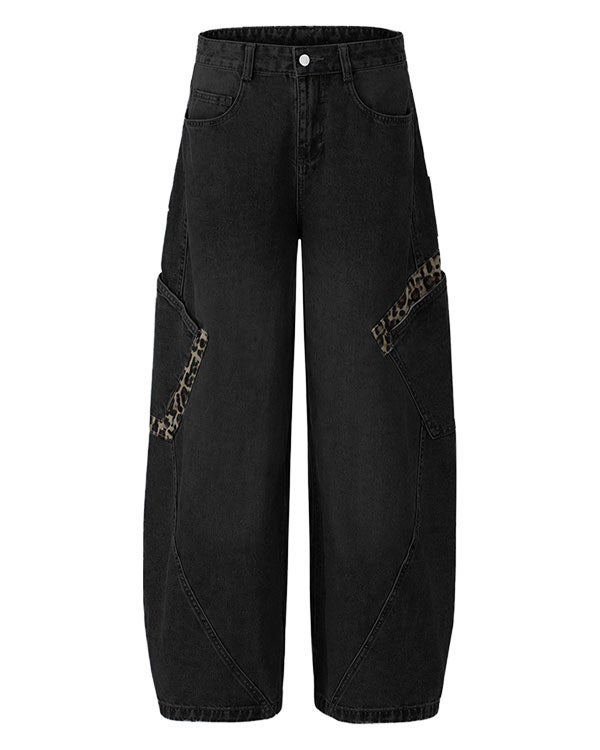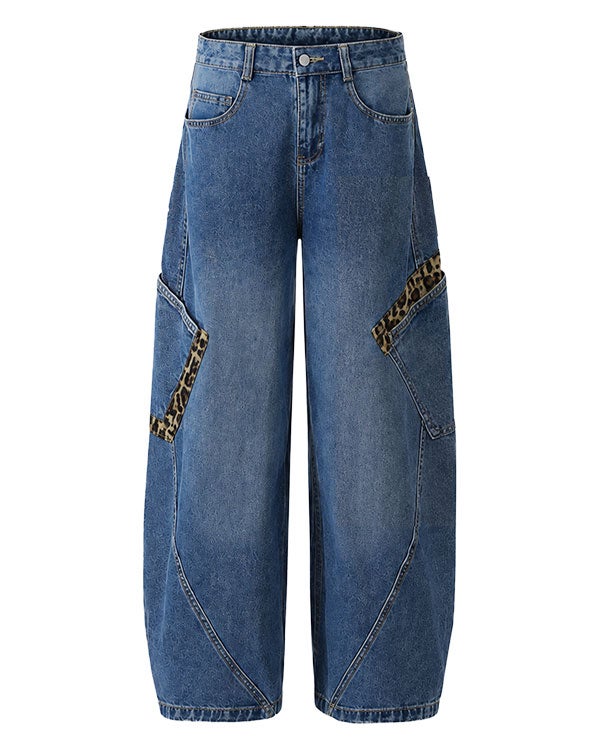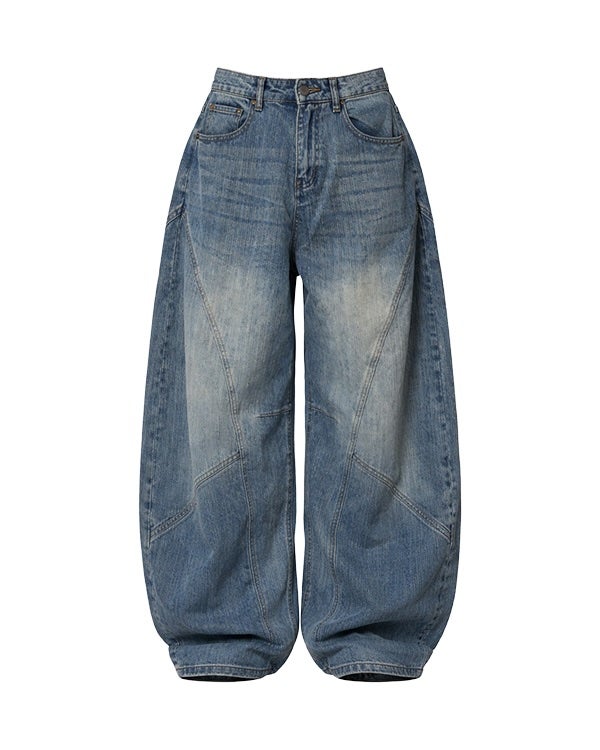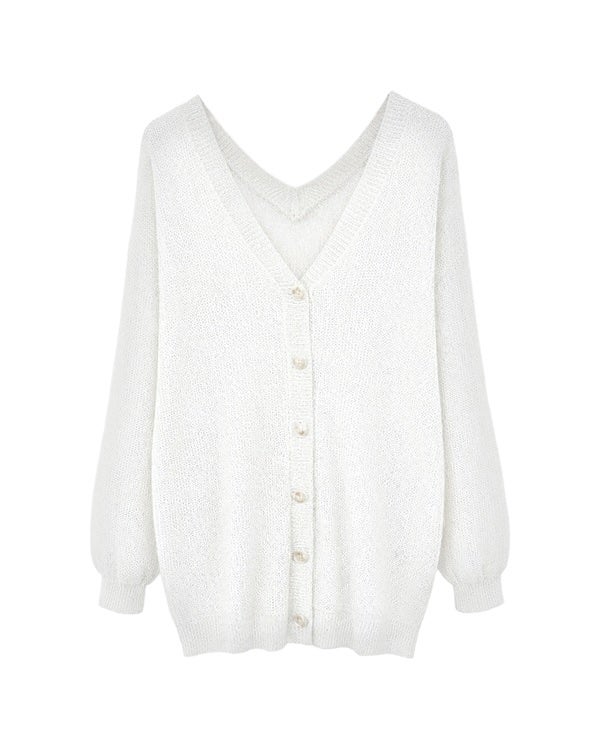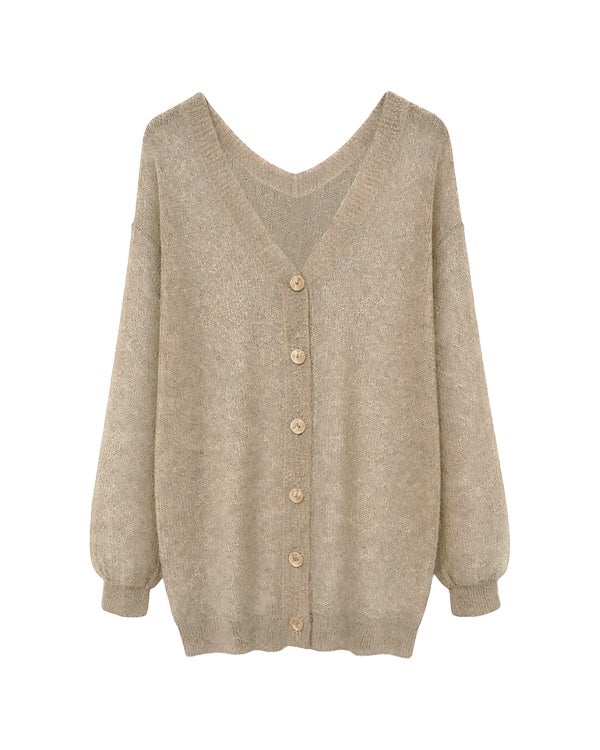
Gyaru Clothing

NEW
Black Queen
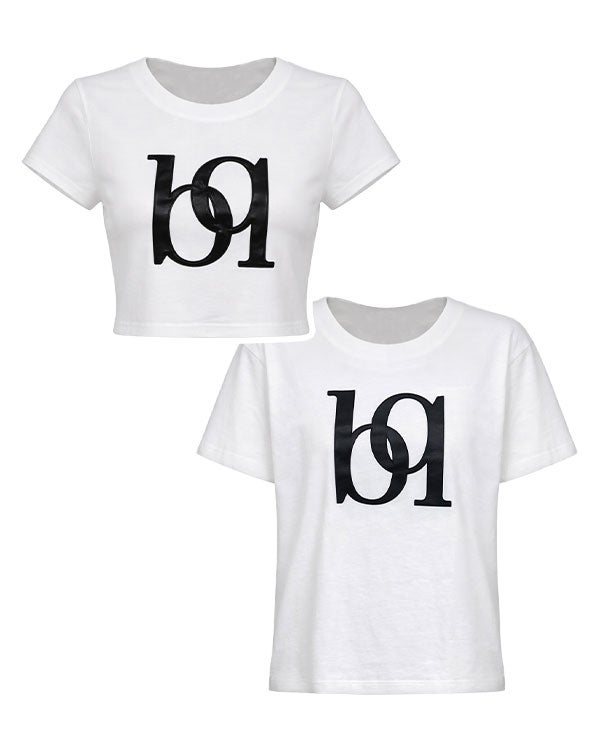
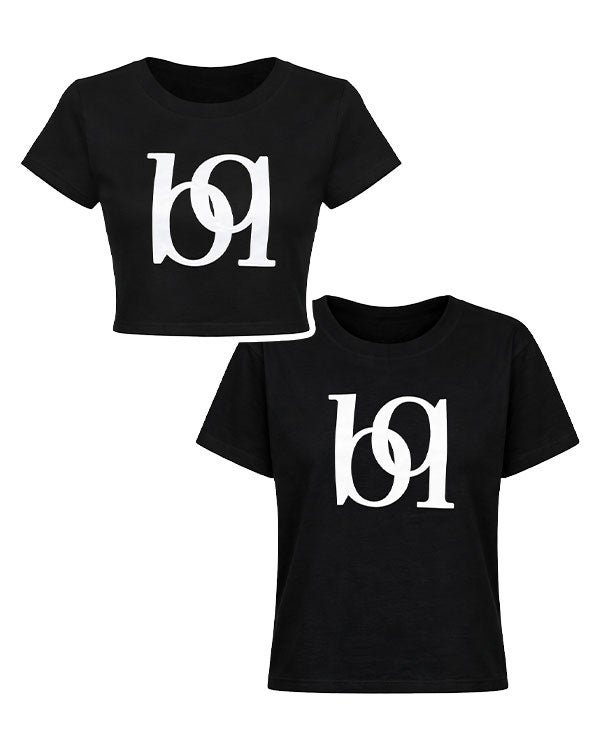
LOALO Collab T-shirt
$57.99

NEW
Black Queen
animal print cardigan
$86.99

NEW
Noname Space
Soft Leather Short Leg Cover Set
$138.99

NEW
KIMOJIWAWA
Skully Wildcat Romper
$145.99

NEW
C'est Nous
Lace Patchwork Irregular Mesh Skirt
$168.99

NEW
Noname Space
Cowhide Embroidered Wedge Sneakers
$228.99

NEW
Black Queen
striped uniform t-shirt
$52.99

NEW
WSW
Niche Iconic Rock Halter Red and Black Plaid Dress
$119.99

NEW
C'est Nous
Real two pieces mesh splicing halter dress
$131.99

NEW
Black Queen
Basic loose socks mavily
$27.99

NEW
WSW
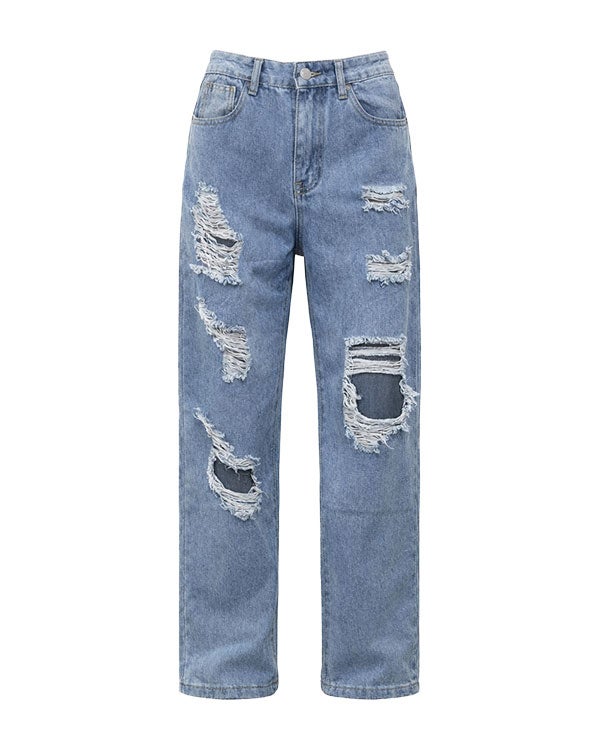
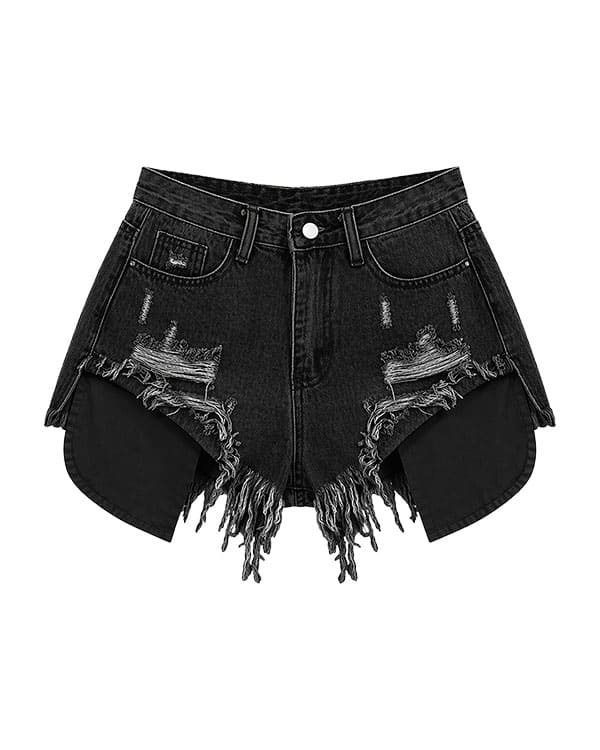
Raw edge studded casual denim pants
$128.99

NEW
C'est Nous
Tie Belt Splicing Mesh Suspender Skirt
$147.99

NEW
Black Queen
ZIP dress with animal pattern switching hood
$79.99

NEW
Black Queen
Covered long boots with zip
$65.99

NEW
Black Queen
Lace switching flare denim
$92.99

NEW
C'est Nous
Vintage-Style Carved Buckle Belt
$62.99

NEW
C'est Nous
"CROOKED" Raw Edge Graffiti T-Shirt
$93.99

NEW
C'est Nous
Punk Graffiti Printed T-Shirt
$101.99

NEW
C'est Nous
Gothic Pleated Ruffled Slim Shirt
$152.99

NEW
Black Queen
Long-awaited platform short boots
$71.99
NEW
Black Queen
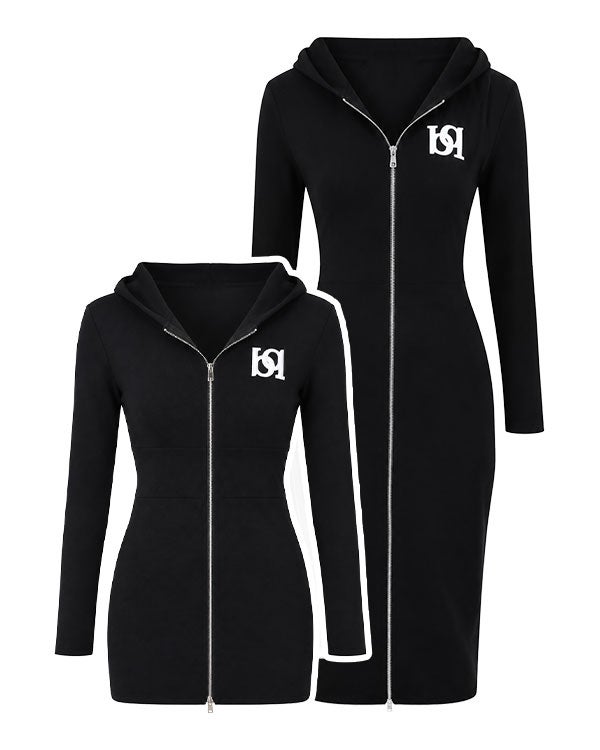
ZIP dress to choose from
$92.99

NEW
CFIERCE
Dog Print Sheath Puffy Dress
$180.99

NEW
DoublePunch
Fur Collar Thick Coat Reversible
$216.99

NEW
WSW
Openwork cross print lace T-shirt
$59.99

NEW
Noname Space
Slim Wash Distressed Bell Bottom
$105.99

NEW
WSW
Tie-up cake lace slimming casual pants
$99.99

NEW
Black Queen
Setup with lame logo
$130.99

NEW
Black Queen
Gridder belt with fur
$35.99

NEW
Black Queen
logo tube top
$39.99

NEW
NO ROMANCE
Plaid functional distressed dirty jacket
$213.99
NEW
Black Queen
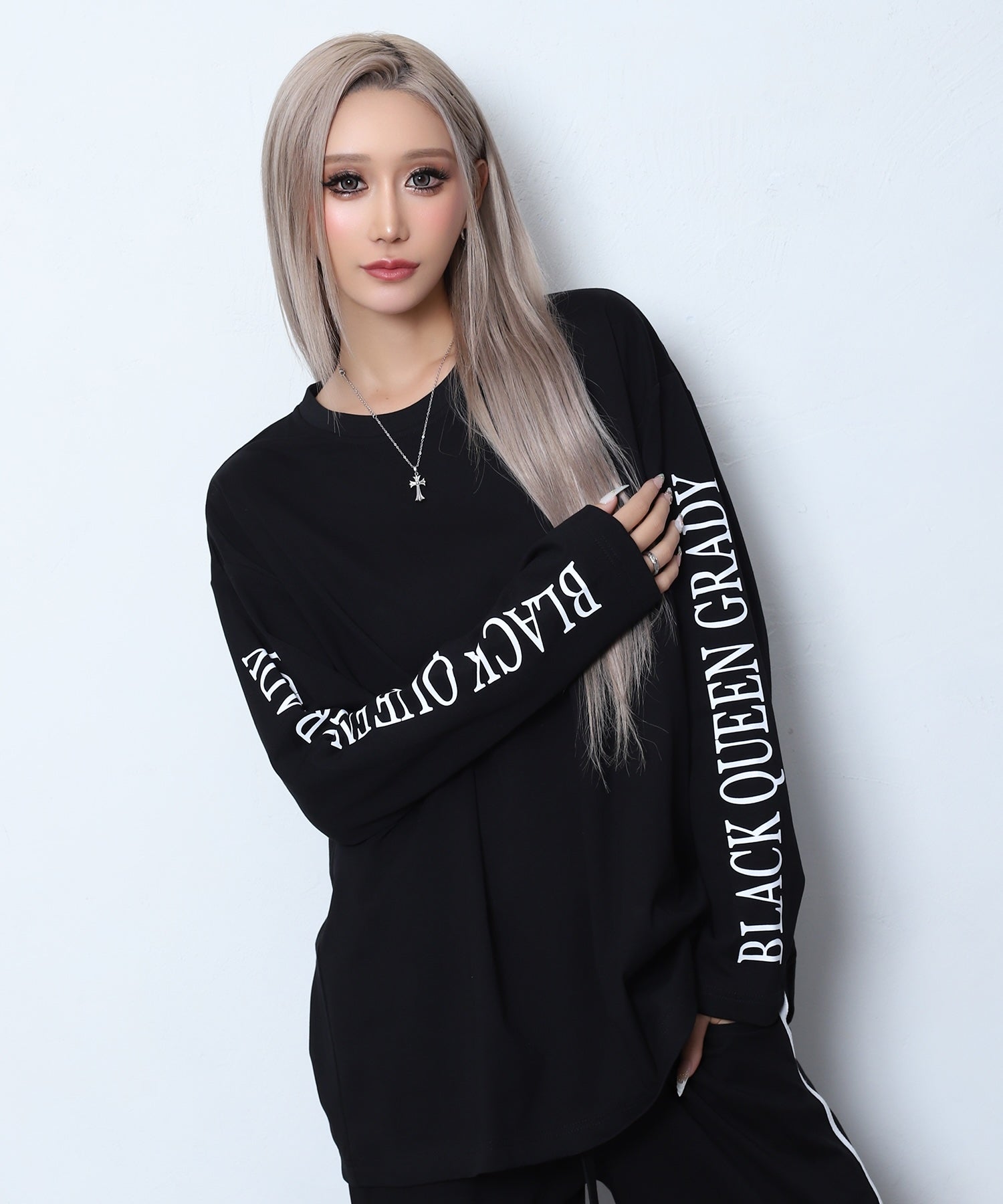
side logo setup
$105.99

NEW
Black Queen
Boots Platform knee high boots
$130.99

NEW
Noname Space
Black Gray Striped Stud Top Set
$80.99

NEW
Noname Space
Stretch Camisole Tank Top
$65.99

NEW
C'est Nous
Denim Mesh Reconstructed PLEATED SKIRT
$125.99

NEW
C'est Nous
Washed Reconstructed Short Jacket
$178.99

NEW
Black Queen
Animal print setup with fur
$119.99

NEW
DoublePunch
Wash Clip Cotton Drop Shoulder Workwear Mid-Length
$220.99

NEW
CFIERCE
Totem Camouflage Squid Fishtail Dress
$223.99

NEW
WSW
Camouflage distressed lace-up cropped jeans
$99.99

NEW
Noname Space
Printed Sweatshirt Studded Hoodie
$140.99

NEW
C'est Nous
Asymmetrical patchwork plaid strapless dress
$161.99

NEW
C'est Nous
Hooded Short Cotton Jacket
$202.99

NEW
Black Queen
Front zip print shorts
$65.99

NEW
Black Queen
Back ribbon design shorts
$65.99

NEW
Black Queen
All-over logo V-neck pullover
$79.99

NEW
Black Queen
Animal print shaggy cardigan set
$92.99

NEW
Black Queen
bicolor setup
$93.07

NEW
Black Queen
Lace-up long boots mavily
$56.99

NEW
Black Queen
suede sneakers
$65.99

NEW
Black Queen
platform long boots
$71.99

NEW
Black Queen
loose cover sneakers
$79.99

NEW
NO ROMANCE
Gold foil print heavy-duty leather shoulder bag
$125.99

NEW
NO ROMANCE
Lazy Knit Batwing Hooded Sweater Jacket
$158.99

NEW
DoublePunch
Stretch Knit Square Neck Halter Long Dress
$123.99

NEW
CFIERCE
CAMOUFLAGE LACE CAMISOLE DRESS
$186.99

NEW
DoublePunch
Washed Cotton Napoleon Jacket
$186.99

NEW
CFIERCE
Bone Necklace
$193.99

NEW
WSW
Hot girl calf stockings
$20.99

NEW
WSW
Dark gothic street style Western-style belt
$29.99

NEW
Noname Space
Soft Double Sided Fleece Pajamas
$144.99

NEW
C'est Nous
Ruffled Collar Tencel Blouse
$119.99

NEW
C'est Nous
Layered Patchwork Striped Cardigan
$129.99

NEW
C'est Nous
Pleated Lace Short Sleeve Shirt
$131.99

NEW
C'est Nous
Patchwork Distressed Low-Rise Jeans
$161.99

NEW
Black Queen
back lace sweat tops
$65.99

NEW
Black Queen
lace up leather pants
$71.99

NEW
Black Queen
lace docking wide pants
$79.99

NEW
Black Queen
Color matching waist balloon wide sweat pants
$79.99

NEW
Black Queen
KIKUCollabW waist curve pants
$92.99

NEW
Black Queen
chain print balloon pants
$92.99

NEW
WSW
Chinese Style Slit Sexy Dress
$90.99

NEW
NO ROMANCE
Punk Printed Two-Way Sheath Dress
$122.99

NEW
NO ROMANCE
Stacked Neck One-Shoulder Dress
$147.99

NEW
DoublePunch
Punk Niche Lace Print Slogan Tank U-Neck Vest Dress
$87.99

NEW
CFIERCE
Bear Hoodie Cute Parka
$131.99

NEW
NO ROMANCE
Vintage Baroque Velvet Check Dress
$147.99

NEW
DoublePunch
V-Neck Buckle Satin Shirt Jacket
$102.99

NEW
CFIERCE
Sunset Beach Fishtail Halter Dress
$132.99

NEW
NO ROMANCE
Lace Knit Bottom Long Sleeve Hooded Dress
$150.99

NEW
CFIERCE
Witch Sling Fishtail Dress
$143.99

NEW
NO ROMANCE
Standing Collar Denim Jacket
$163.99

NEW
WSW
Punk Cross Necklace
$14.99

NEW
Noname Space
Sheer Printed Backless Lace Halter Dresses
$65.99

NEW
CFIERCE
Angel Clash Knit Jacket
$155.99

NEW
NO ROMANCE
Chain Rivet Leather Bag
$163.99

NEW
WSW
Punk Dark Star Belt
$25.99

NEW
Noname Space
2way Plaid Cake Skirt / Tube Top
$68.99

NEW
NO ROMANCE
Openwork Lace Irregular Shirt Dress
$163.99

NEW
CFIERCE
Studded Rabbit Ear Vest Jacket
$166.99

NEW
WSW
Strap White Barbie Leg Warmers
$28.99

NEW
Noname Space
Strapless halter neck tank top and skirt
$73.99

NEW
NO ROMANCE
Multi-Layer Layered Necklace
$169.99

NEW
CFIERCE
“Save It ” Printed Halter Backless Dress
$180.99

NEW
WSW
Black and white lace camisole
$28.99

NEW
Noname Space
Asymmetric embroidered short-sleeved T-shirt
$80.99

NEW
CFIERCE
Rabbit Skull Necklace
$184.99

NEW
NO ROMANCE
Ruffled Chiffon Flared Cardigan
$190.99

NEW
WSW
Red and Black Plaid Sleeve
$29.99

NEW
Noname Space
Striped Cross Rivet Stacked Top
$101.99
Learn More
Gyaru Clothing — Authentic Japanese Pieces Built for the Bold
What separates real gyaru clothing from the knockoffs flooding Shein and Amazon is construction philosophy. Japanese gyaru clothes are designed around specific body proportions and styling intentions. A gyaru dress isn't just a dress that happens to be short or embellished. It's cut to create a particular silhouette when paired with the correct shoes, accessories, and hair.
Gyaruz sources gyaru clothing from brands that have operated within the Japanese gyaru ecosystem for years. These manufacturers understand that a gyaru skirt needs a specific rise and flare ratio. A gyaru top needs to sit at a precise point on the torso to create the right visual balance with a high-waisted bottom. None of this is accidental. It's engineered.
The difference shows immediately when you compare an authentic piece to a Western imitation. Hold a genuine Japanese gyaru dress next to a "gyaru-style" dress from a fast fashion retailer. The fabric weight is different. The seam placement is different. The proportions are different. Turns out, getting gyaru clothing right requires understanding the entire coordinate system it exists within — and that knowledge lives in Japan, not in overseas factories producing generic "cute" pieces.
Essential Gyaru Clothing Categories — Tops, Skirts, Dresses, and Outerwear
Gyaruz organizes its gyaru clothing into functional categories that reflect how actual coordinates are built. Each category serves a specific role in the overall outfit structure.
Gyaru Tops — The Upper Foundation
A gyaru top defines the visual weight of the upper body. Depending on substyle, this ranges from cropped graphic tees (for manba and ganguro-adjacent looks) to heavily embellished blouses (for hime and agejo coordinates). The common thread across all gyaru clothes in this category: intentional fit. Nothing is accidentally oversized or undersized. Every gyaru top in the Gyaruz collection has been selected because its proportions work within established coordinate logic.
Key top styles currently in stock:
Gyaru Skirts — Where the Silhouette Lives
The gyaru skirt is arguably the single most important garment category in the entire gyaru clothing ecosystem. Hemline height, waist placement, and flare angle collectively determine the proportional effect of the full coordinate. Japanese gyaru clothes prioritize leg-lengthening construction — high waists, above-knee hems, and strategic pleating or gathering that creates movement.
Gyaruz carries gyaru skirt options across the formality spectrum. Mini pleated skirts for casual coordinates. Structured A-line skirts with lace overlay for princess-adjacent looks. Pencil skirts with slit details for onee-gyaru and agejo styling. Every gyaru skirt in the collection comes with exact measurements because Japanese and US sizing systems diverge enough to cause problems if you guess.
Gyaru Dresses — Complete Statement Pieces
A gyaru dress serves as a self-contained outfit foundation. One piece handles the silhouette question entirely, freeing the wearer to focus on accessories, hair, and makeup. Gyaruz stocks gyaru dress options ranging from casual jersey pieces suitable for daily wear to elaborately constructed event dresses with built-in petticoat layers and integrated embellishment.
The most popular gyaru dress styles in the current collection:
- Bandage/bodycon mini — Agejo and koakuma substyles. Fitted throughout, usually in black, white, or jewel tones. - A-line with lace detail — Hime and romantic substyles. Flared skirt, defined waist, feminine details. - Tiered ruffle mini — Versatile across substyles. Movement-heavy, photographs well. - Structured shirt dress — Onee-gyaru and mature coordinates. Longer hemline, belt-cinched waist.
Outerwear for Completing the Coordinate
Gyaru clothing doesn't stop at the base layers. Japanese gyaru clothes include an outerwear category that most Western retailers ignore entirely. A fur-trimmed cropped jacket, a structured blazer with rhinestone buttons, a hooded parka with brand logos — these aren't afterthoughts. They're integral parts of the coordinate that Gyaruz sources with the same selectivity applied to every other category.
How to Choose Gyaru Clothes by Substyle
The gyaru umbrella covers at least a dozen recognized substyles, and the gyaru clothing requirements differ significantly between them. What works for agejo will look completely wrong on someone building a casual neo-gyaru coordinate. Gyaruz tags every piece by substyle compatibility, but understanding the underlying logic helps with independent coordinate-building.
Substyle-to-clothing mapping:
Here's the thing most newcomers get wrong: they buy gyaru clothes based on what looks good on a hanger rather than what serves the substyle they're building. A gorgeous embellished blouse that would be perfect for hime becomes a confusing element in a neo-gyaru coordinate. Gyaruz solves this with explicit substyle tagging on every product page, but the principle extends beyond any single store. Know your substyle first. Buy accordingly.
Sizing and Fit Guide for Japanese Gyaru Clothing
Japanese gyaru clothing sizing follows Japanese standard sizing, which differs from US conventions in ways that trip up first-time buyers. Gyaruz provides exact garment measurements for every piece, but understanding the general framework prevents surprises.
Japanese-to-US Size Conversion
These are guidelines, not guarantees. Japanese gyaru clothes from different brands vary by 1-3 cm even within the same nominal size. This is why Gyaruz measures and lists the actual garment dimensions — not the brand's claimed sizing — for every piece in stock.
Fit Expectations by Category
Gyaru clothing is designed to fit closer to the body than most American casual wear. A "relaxed fit" gyaru top still sits notably closer than a comparable US-market top. This is intentional, not a sizing error. The gyaru outfit silhouette depends on visible body shape, and the clothing is cut to provide that.
For gyaru skirt purchases specifically: measure your actual waist at the point where the skirt will sit (usually 1-2 inches above the navel for high-waisted styles). Compare to the listed waistband measurement. If you're between sizes, size up — a gyaru skirt that's slightly loose can be belted, but one that's too tight distorts the intended silhouette.
Gyaru dress sizing is the most forgiving category because many styles include shirring (elastic gathering) at the back bodice, providing 2-4 inches of flexibility. Check each product listing for the "stretch range" note.
Gyaruz Clothing Quality and Sourcing Standards
Gyaruz applies a specific set of criteria when selecting which gyaru clothing to stock. Not every piece from Japanese brands meets the threshold. Honestly, some pieces from otherwise reputable labels fall short on construction quality or fabric durability. Those get rejected.
Sourcing Protocol
Every batch of gyaru clothes arriving at Gyaruz goes through a three-step evaluation:
1. Fabric assessment — Weight, hand feel, stretch recovery, and colorfastness. Lightweight doesn't mean cheap; chiffon should still have body. Heavy doesn't mean quality; some overweight fabrics are stiff rather than structured.
2. Construction check — Seam integrity, hem finish, zipper/button function, lining attachment. A gyaru dress with poorly attached lining will twist on the body within an hour of wear. These get returned to the supplier.
3. Coordinate compatibility — Does this piece work within established gyaru outfit conventions? A beautiful garment that doesn't coordinate within any recognized substyle framework isn't useful to the Gyaruz customer base. This filter is what separates a curated gyaru clothing store from a generic Japanese fashion importer.
Material Standards
The gyaru clothes Gyaruz carries typically fall into these fabric categories:
- Structured cotton blends — For tops and casual pieces. Must hold shape through machine washing. - Chiffon and georgette — For overlay layers and summer gyaru clothing. Must have sufficient weight to drape properly, not fly up. - Stretch jersey and ponte — For bodycon and fitted pieces. Must recover shape after wearing, not bag out. - Satin and heavy polyester — For event dresses and formal gyaru dress styles. Must resist snagging and hold color.
Every gyaru outfit component ships with fabric composition and care instructions specific to that piece. Gyaruz doesn't do generic "hand wash cold" labels — each piece gets care guidance based on its actual construction.
Gyaru Clothing Customer Experiences
Tina, 22, Chicago, Illinois — Building a Capsule Gyaru Wardrobe
Tina discovered gyaru culture through TikTok in late 2024 but spent almost a year unable to find legitimate gyaru clothing in the US. "I ordered from three different sites that came up when I searched for gyaru clothes online. All three were obviously fast fashion — thin fabric, wrong proportions, nothing like what I saw actual gyaru wearing in Japanese street snaps."
She placed her first Gyaruz order in September 2025: two gyaru tops, one gyaru skirt, and a gyaru dress. "The moment I tried on the Black Queen skirt, I understood what people meant about Japanese construction being different. It sat exactly where it was supposed to. The fabric had weight. The zipper was invisible." Over five months, Tina built a rotation of eight pieces that she mixes into twelve distinct gyaru outfit combinations. Her cost-per-wear on the most-used gyaru skirt has dropped to roughly $1.20.
Jasmine, 27, San Diego, California — Agejo Specialist
Jasmine had been buying gyaru clothing through proxy services for three years before finding Gyaruz. "Proxy buying works, but the costs add up insanely fast. I was paying $40-60 in shipping and fees on top of every single purchase. And returns were basically impossible — if a gyaru dress didn't fit, I was stuck with it or reselling at a loss."
Switching to Gyaruz cut her per-piece cost by roughly 35%. More importantly, the verified measurements meant her first-try fit rate went from about 60% to over 95%. "In eighteen months I've only had one sizing issue, and Gyaruz exchanged it within a week. That would have been a three-week nightmare through a proxy." Jasmine now owns over twenty pieces of gyaru clothing from Gyaruz, focused primarily on agejo-style bodycon dresses and structured gyaru tops.
FAQ — Questions About Gyaru Clothing and Shopping
1. How is gyaru clothing different from regular Japanese fashion?
Gyaru clothing is designed within a specific subcultural framework that prioritizes bold silhouettes, intentional body emphasis, and coordinate-based styling. Regular Japanese fashion encompasses everything from minimalist to avant-garde. Gyaru clothes specifically target the proportional effects — leg lengthening, waist definition, upper body balance — that define the gyaru outfit tradition. A gyaru skirt has different construction priorities than a comparable skirt from a mainstream Japanese brand like Uniqlo or GU.
2. Can I return gyaru clothing if the sizing is wrong?
Gyaruz accepts returns on unworn, unaltered gyaru clothes within 14 days of delivery. Because Japanese sizing differs from US conventions, the store strongly recommends checking the specific garment measurements listed on each product page before ordering. Exchanges for a different size are processed as priority orders when the alternative size is in stock. Worn or washed items cannot be returned due to the nature of sourcing — these pieces are often limited-run production from Japanese brands.
3. How often does Gyaruz restock gyaru clothing?
New gyaru clothing shipments arrive approximately every six to eight weeks, depending on brand production cycles in Japan. Some pieces are seasonal and won't restock once sold out. Gyaruz maintains a restock notification system — add any out-of-stock item to your wishlist and receive an email if it returns. Consistently popular gyaru dress and gyaru skirt styles get priority reorder.
4. What substyles of gyaru clothing does Gyaruz carry?
The current collection spans six primary substyles: hime (princess), agejo (hostess glamour), onee (mature elegance), koakuma (playful/date), neo-gyaru (modern casual), and Y2K/ganguro revival. Each gyaru outfit in stock is tagged by compatible substyle. Not every substyle receives equal inventory — stock levels reflect current demand patterns, with hime and agejo pieces typically having the deepest selection.
5. Do you carry plus-size gyaru clothing?
Gyaruz currently stocks Japanese sizes S through LL, which corresponds to approximately US 0-12. The gyaru clothing market in Japan has historically produced a limited size range. Gyaruz is actively working with suppliers to expand available sizing. For customers outside the current range, the store offers a custom-sourcing service — contact support with your measurements and the desired gyaru outfit style, and the team will search current Japanese brand inventories for matching pieces.
6. Is gyaru clothing appropriate for everyday wear?
Completely. While full-coordinate gyaru clothes styled for events can look elaborate, individual pieces work seamlessly in daily wardrobes. A gyaru top paired with jeans and sneakers reads as a slightly elevated casual look. A gyaru skirt with a plain blouse is office-appropriate in most settings. The intensity of a gyaru outfit is determined by how many elements you layer, not by any individual piece being inherently "too much" for regular life.
You May Also Like